
2026
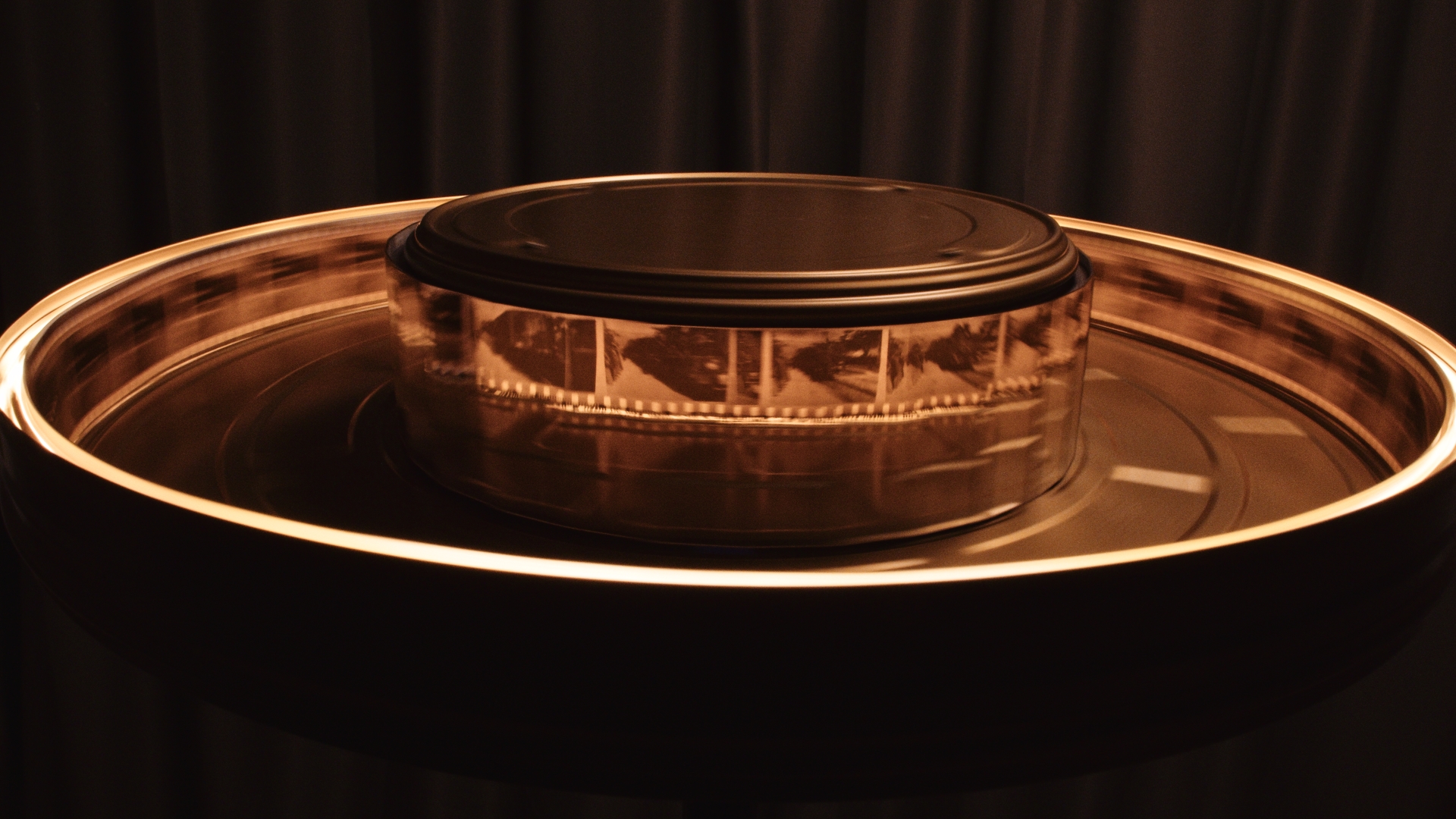 My custom-built praxinoscope used in Palimpseste sur souvenir (2026) and Ship of Fools (2026). #language #film #contraptions #time #memory #outsiders
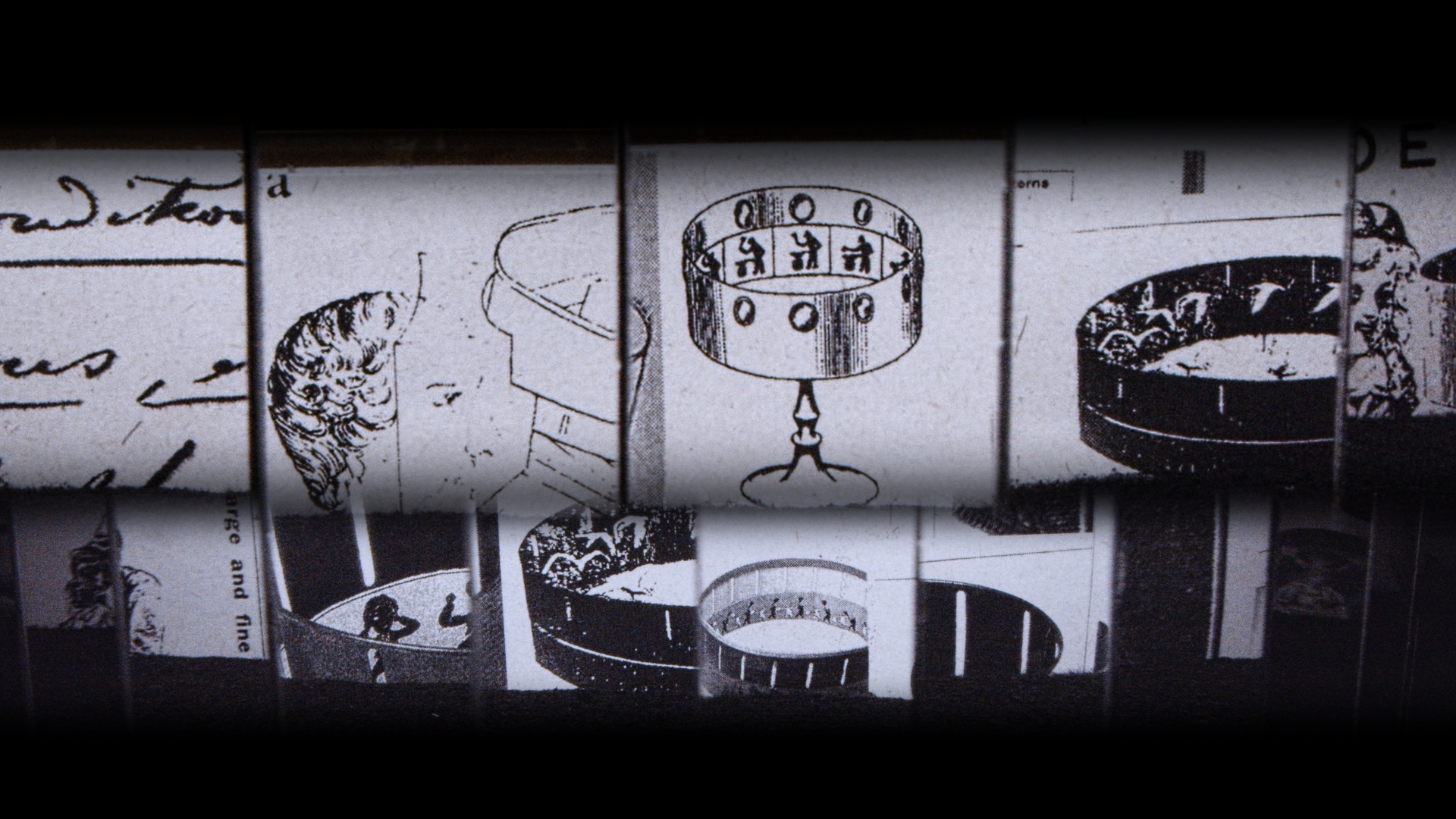
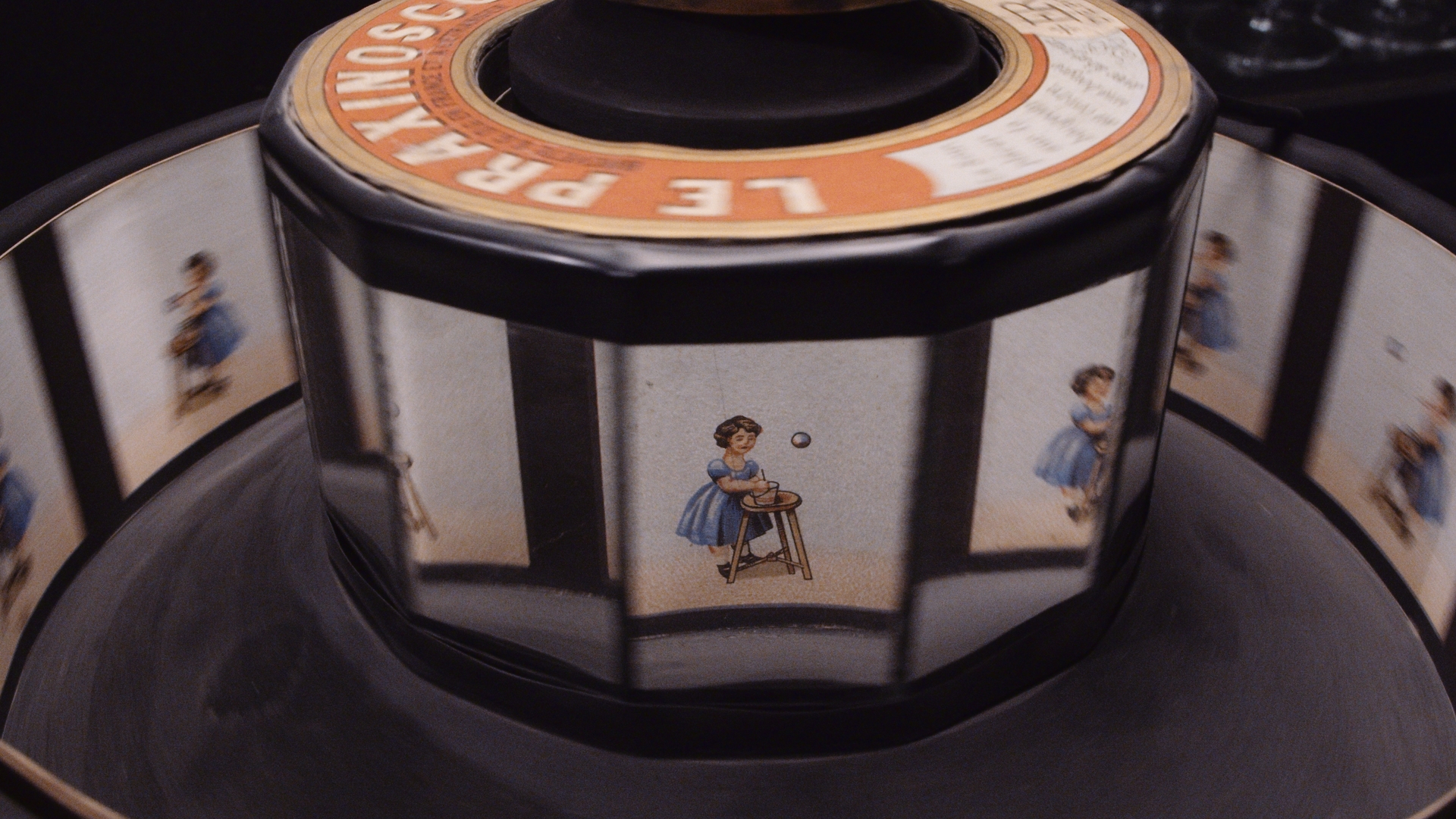
 My praxinoscope is inspired by Emile Reynaud's inventions. His original praxinoscope was a spinning drum with a column in the centre holding 12 mirrors, which reflected the 12 images of an animation strip that sat flush with the inside edge of the drum. The angle of the mirrors separates the images such that when the drum spins, the illusion is created of one moving image rather than 12 separate ones. This was an improvement over the zoetrope, which used slits in the wall of the drum instead of a central column of mirrors. The praxinoscope offered a clearer, brighter image. Below is Reynaud's praxinoscope, which he marketed as a toy.
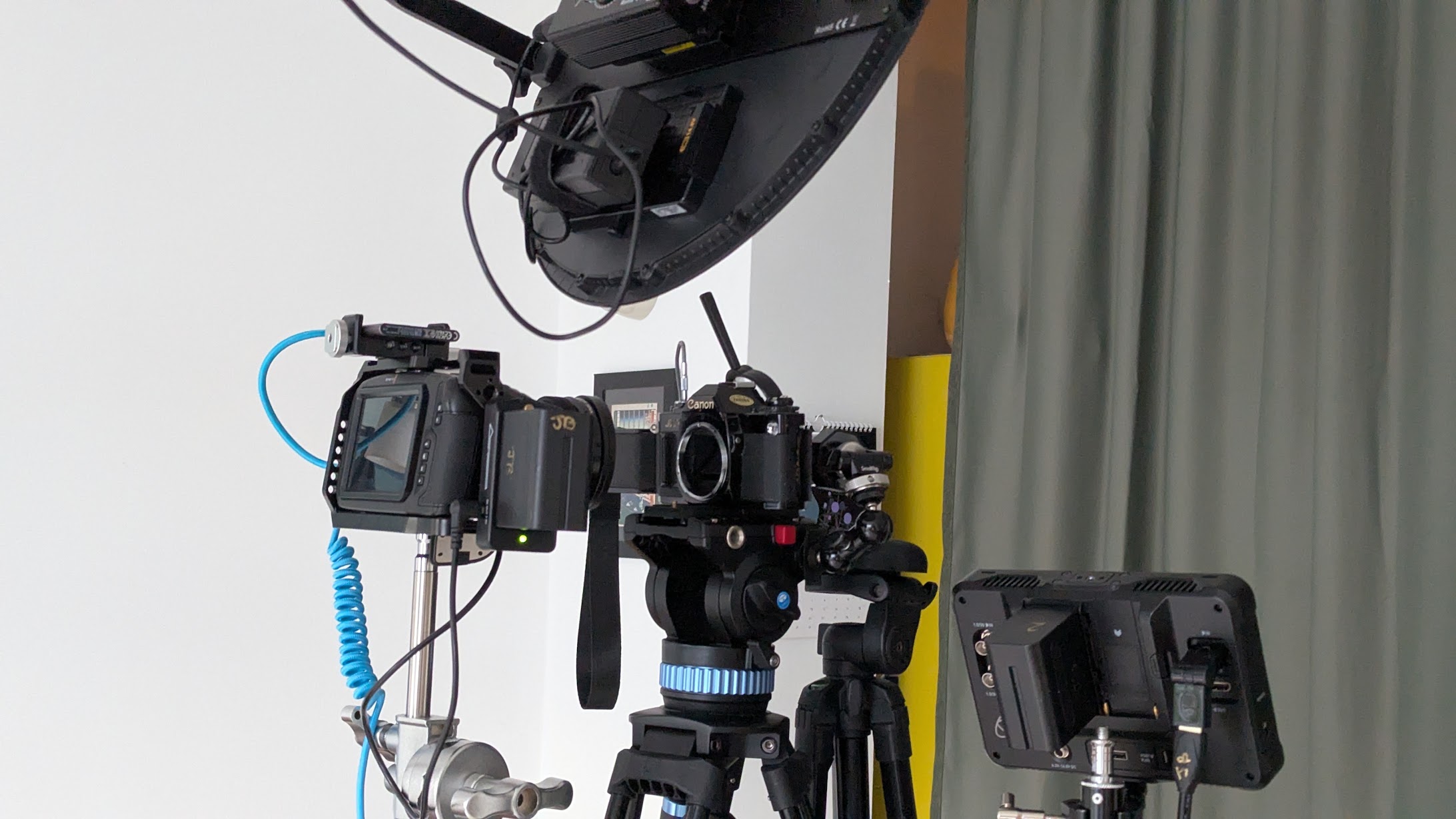
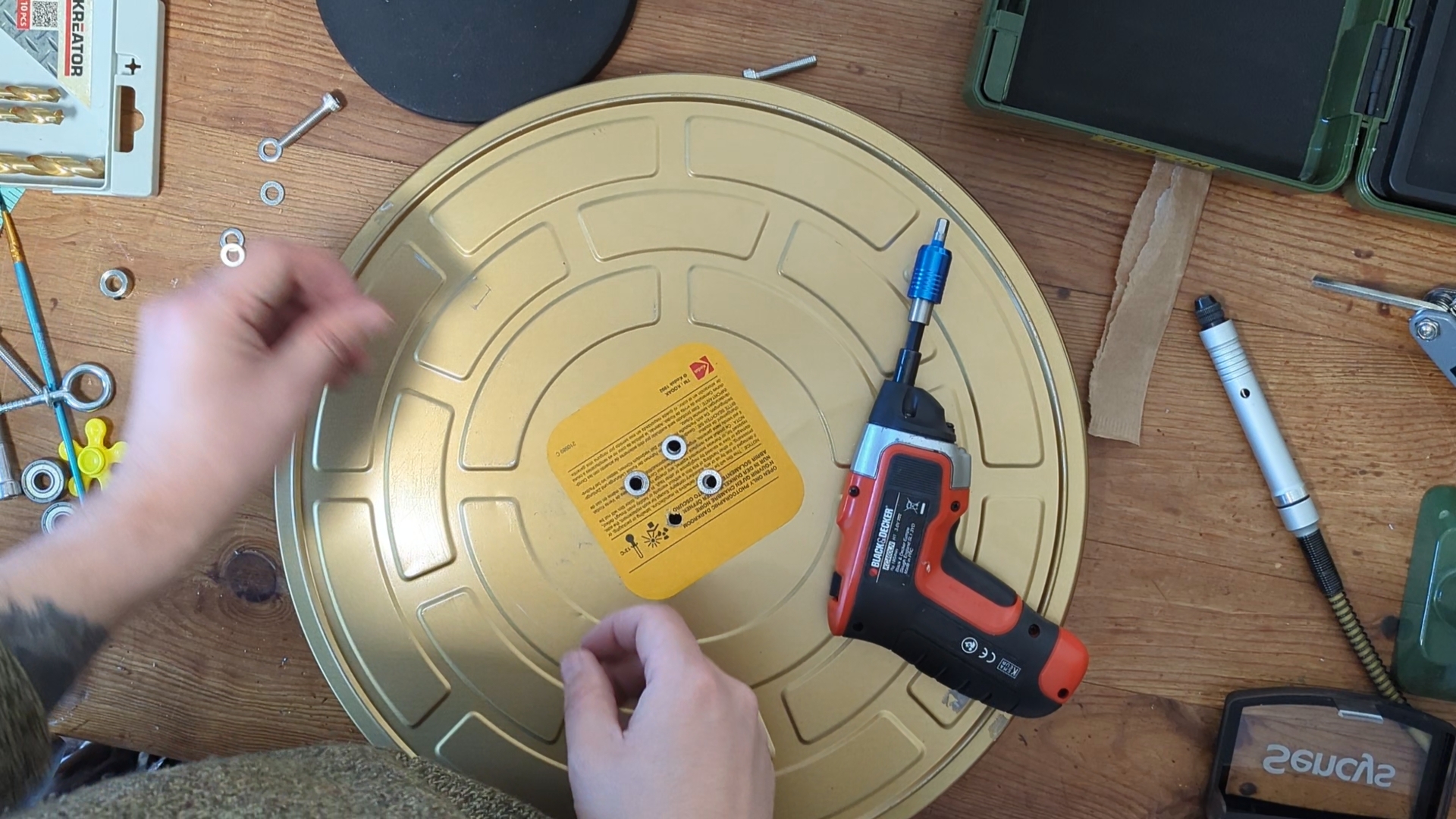
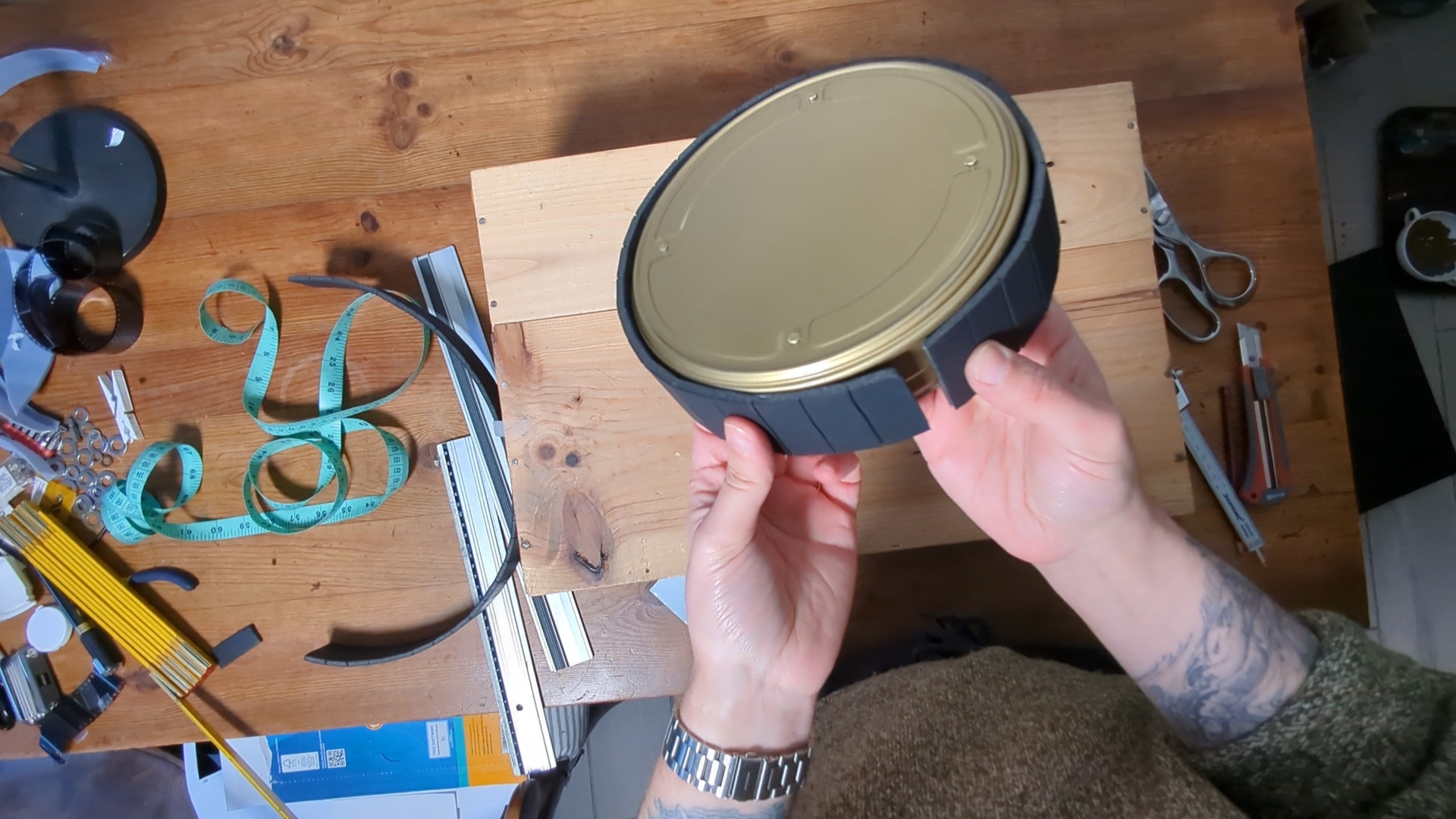
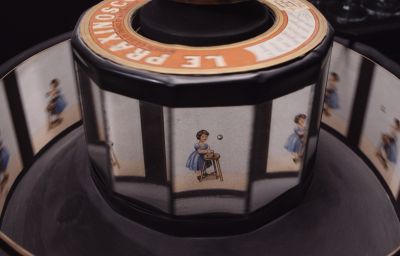 Reynaud used a biscuit tin for his prototype. I used old Kodak film cans – one large one for the main drum and a smaller one for the central column, which also hides the battery.
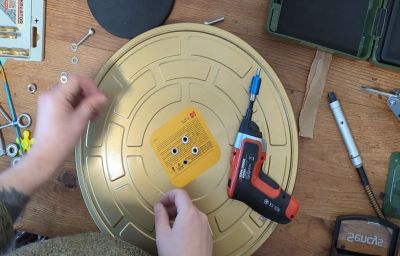
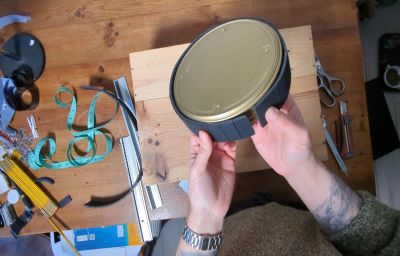
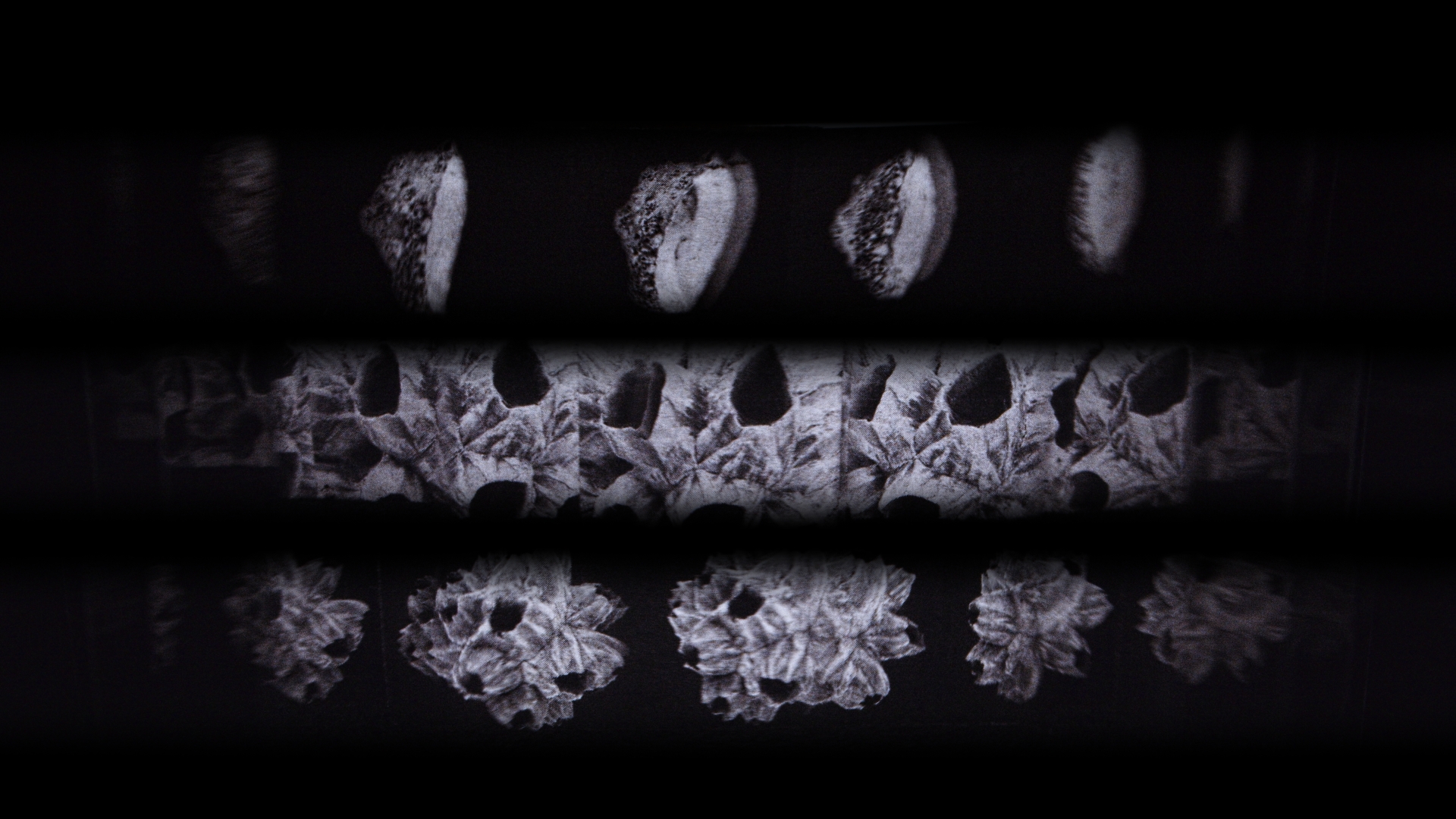
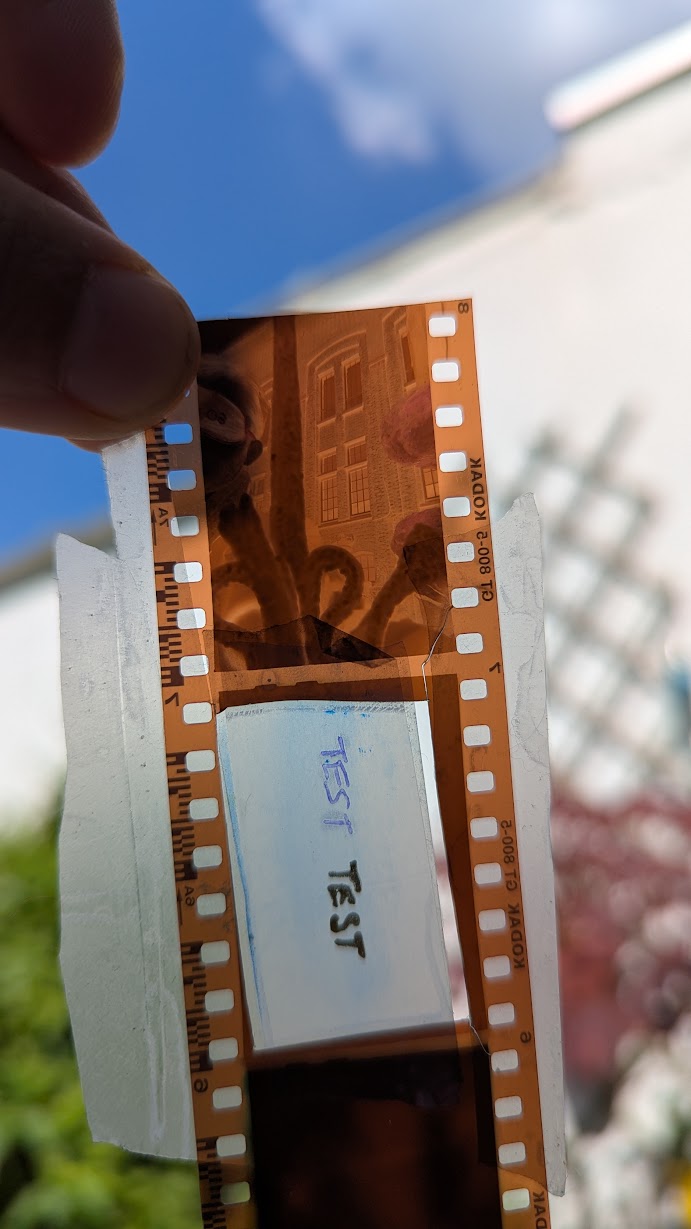
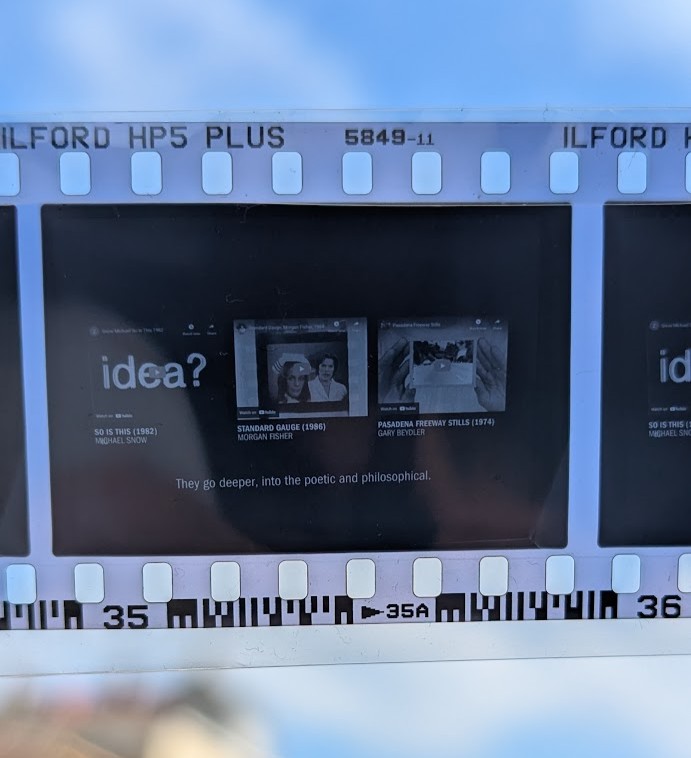
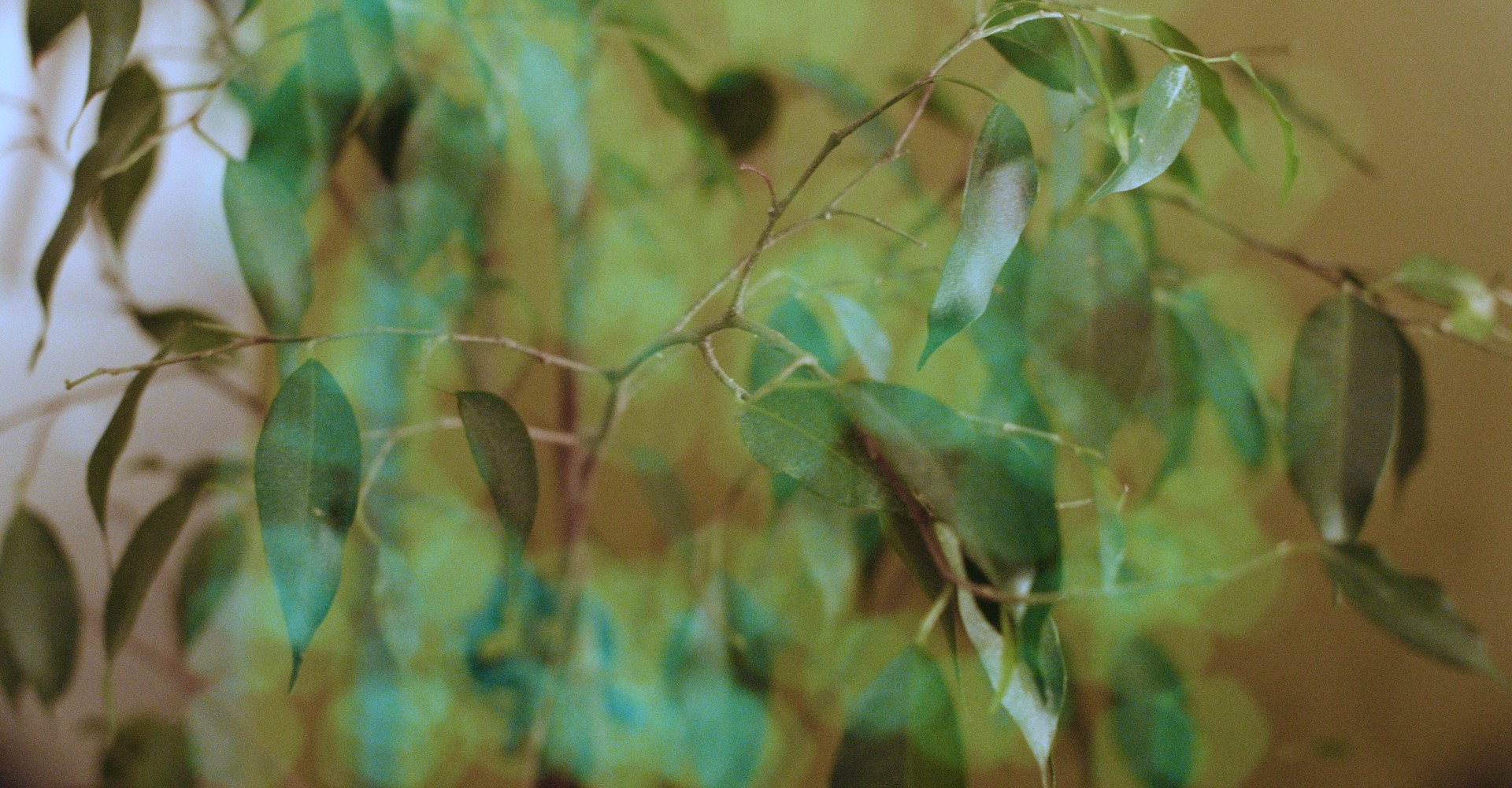
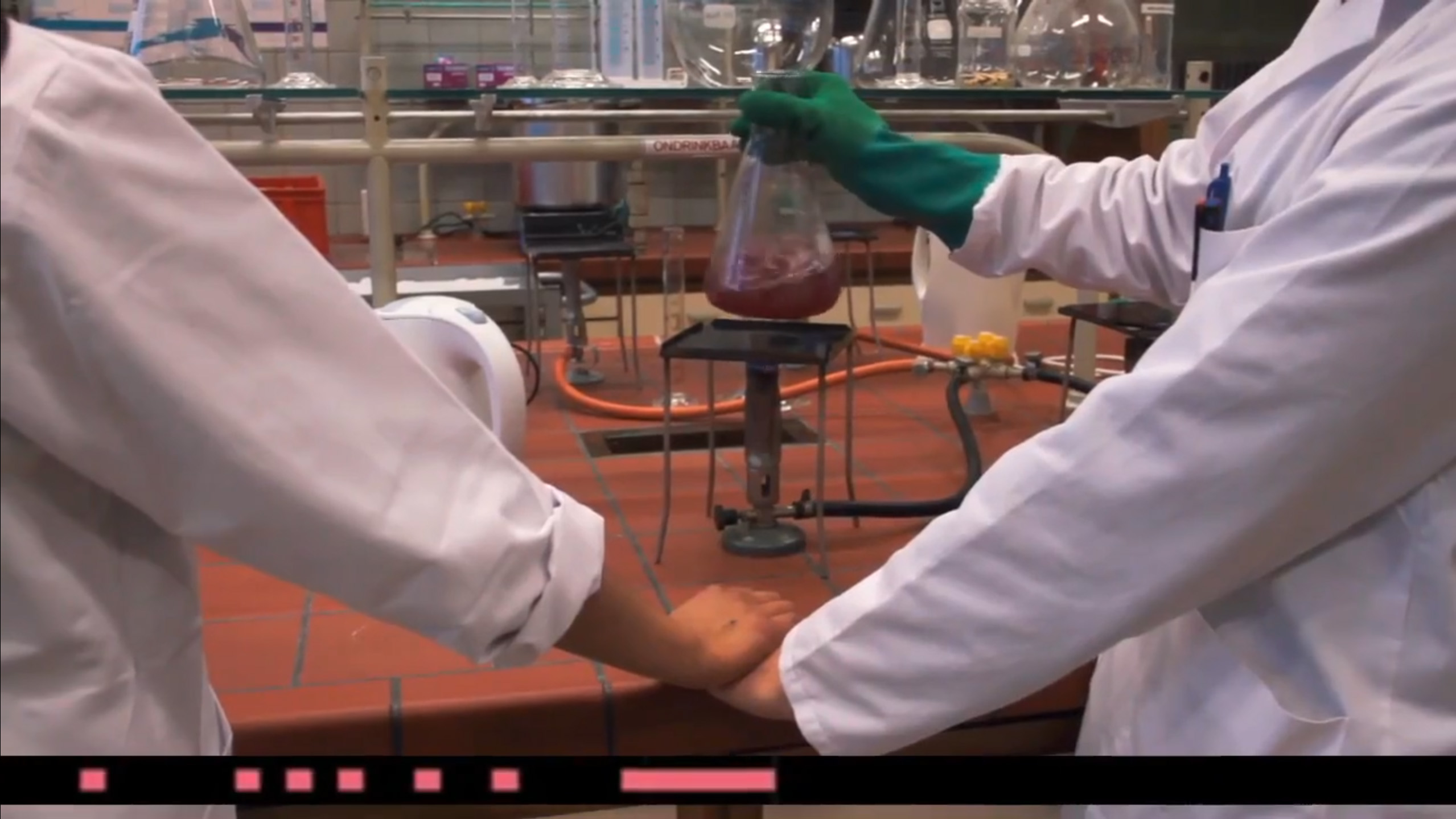
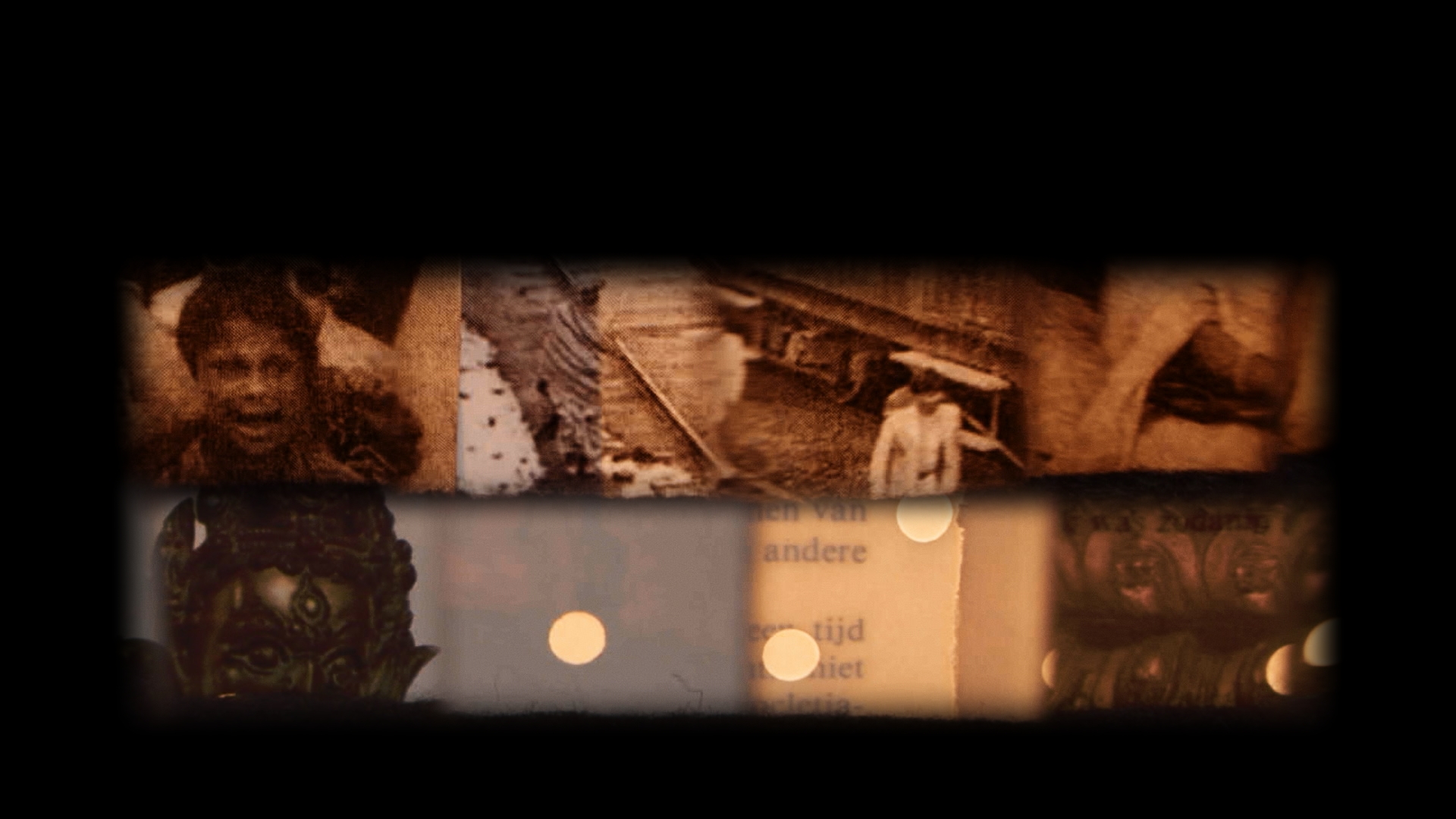
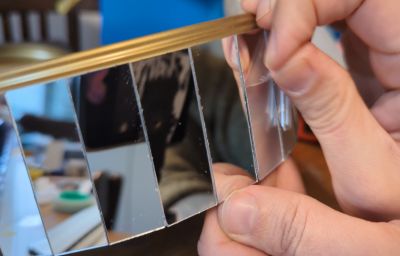 Battery? Yes, my praxinoscope uses a COB LED strip (with diffusion) to offer the possibility of backlighting the animation strip. This is useful for showing the texture of the paper, for revealing anything printed or drawn on the reverse side of the animation strip, and for illuminating film strips. It is somewhat sacrilege – or at least cruelly ironic – to put film in a praxinoscope, since the advent of film was ultimately what led Reynaud's inventions to be seen as obsolete. But for the narrative of my film Ship of Fools – which is very much pro-Reynaud – this was a necessary evil. In Palimpseste sur souvenir the benefit of the light is demonstrated: it allows certain animations to glow warmly, and in other animation strips layers of text or image on the reverse side are revealed. Very apt in the context of a 'palympsest' – a writing parchment that is used and reused over time, accumulating layers of history in the residual marks. You can see this in the stills from Palimpseste below.
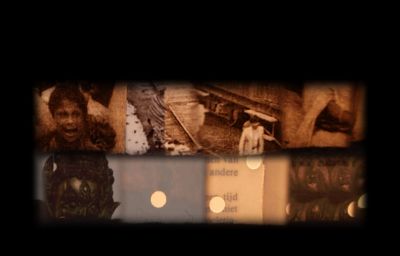
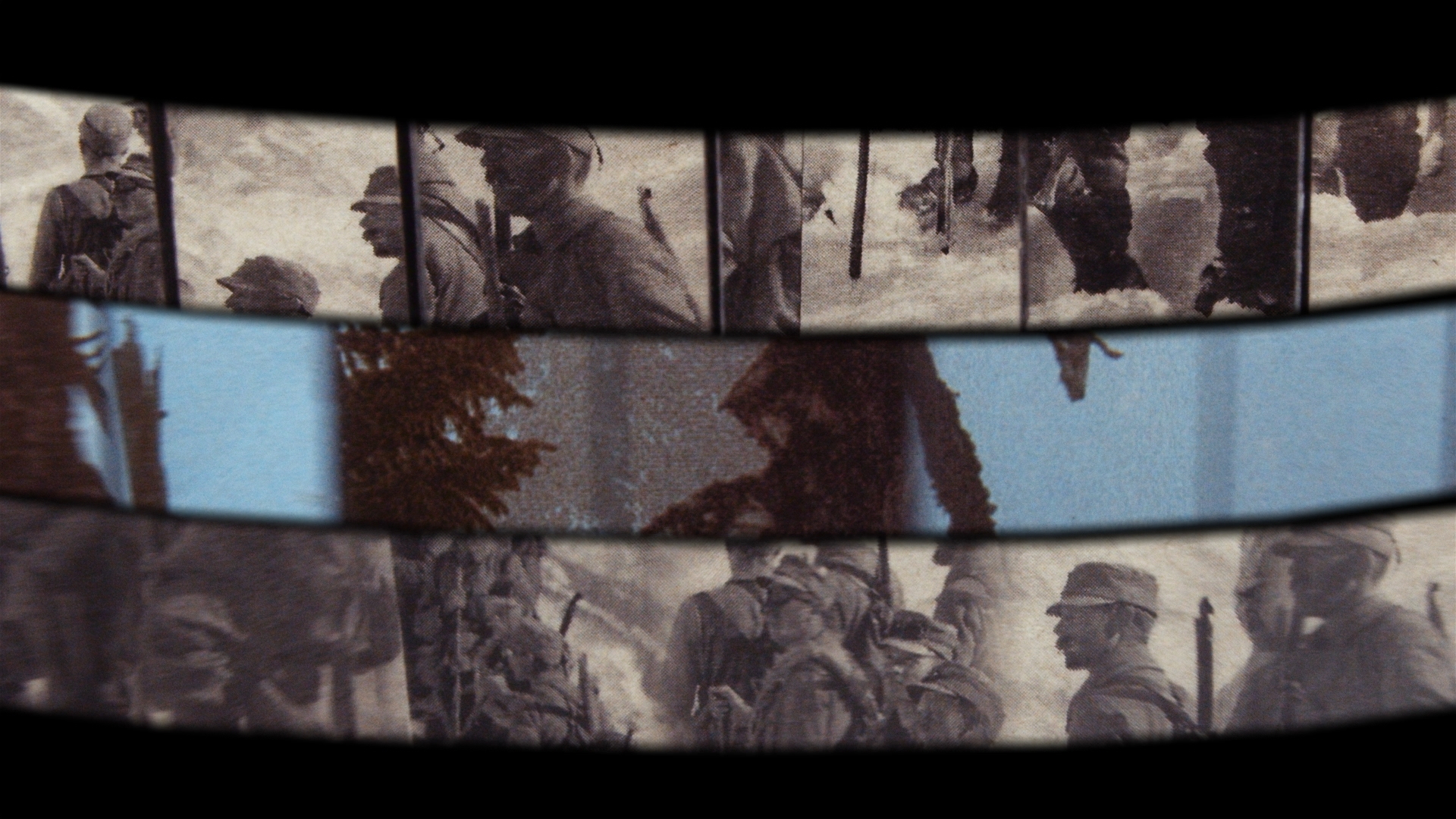
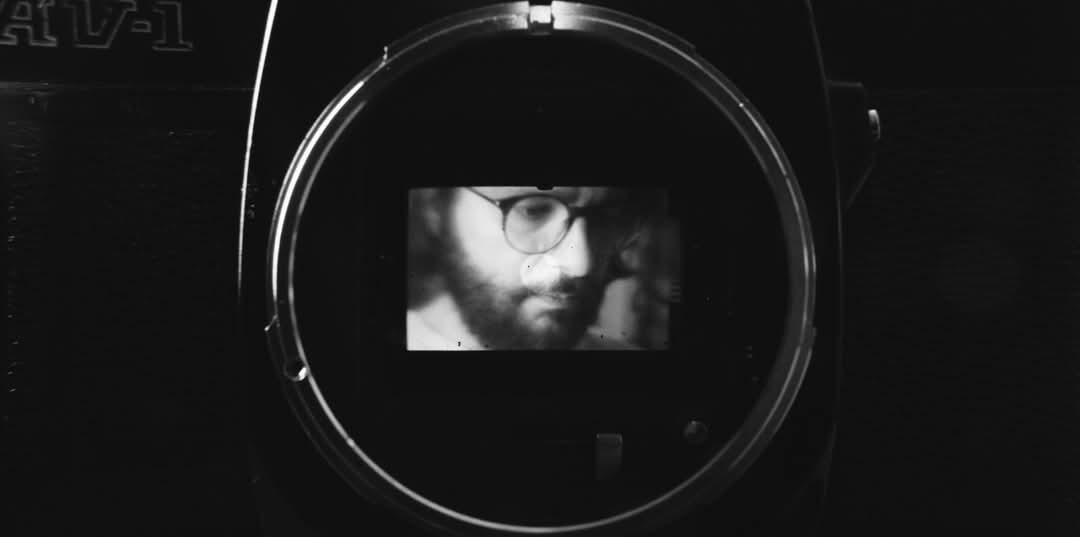
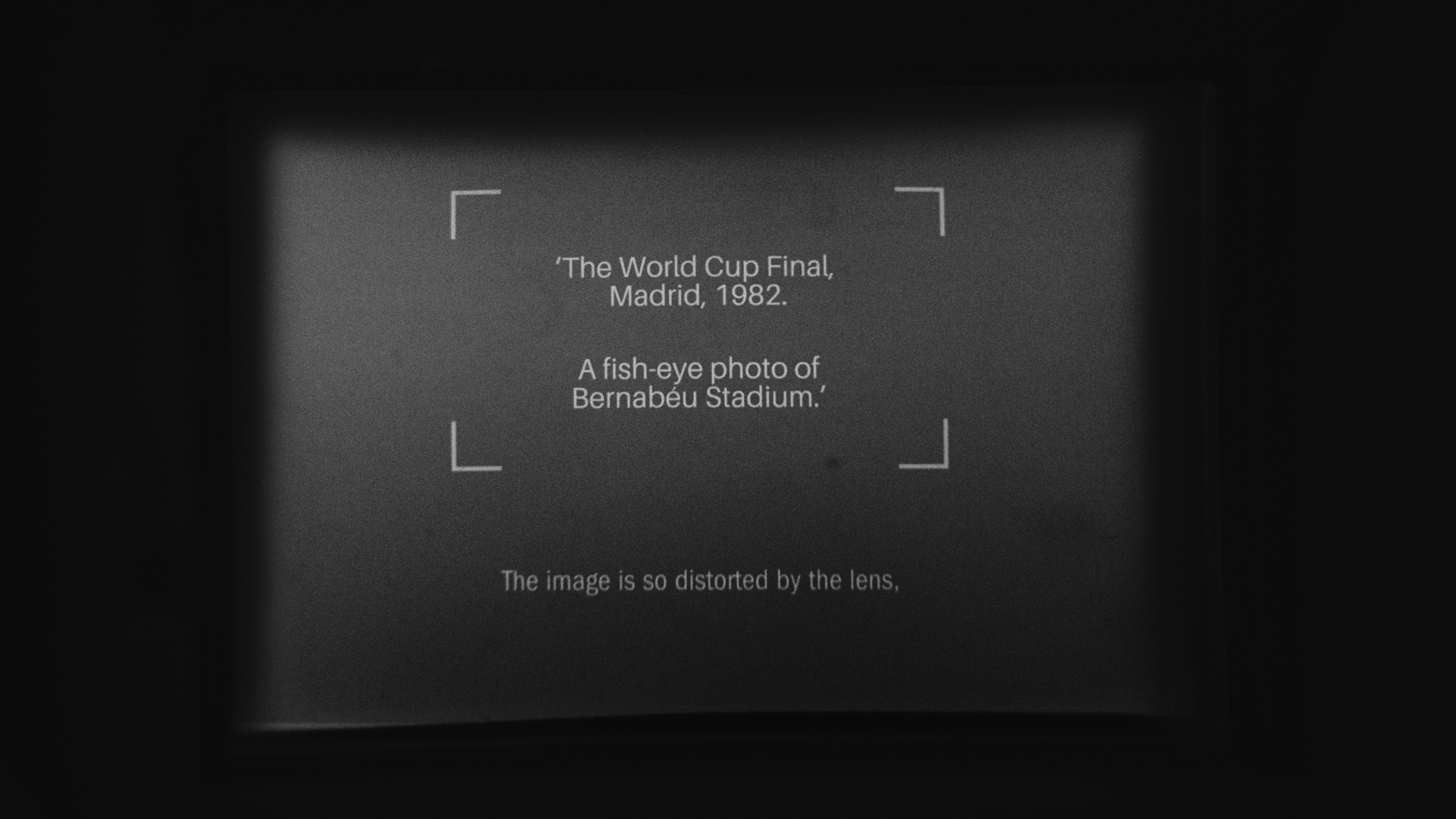
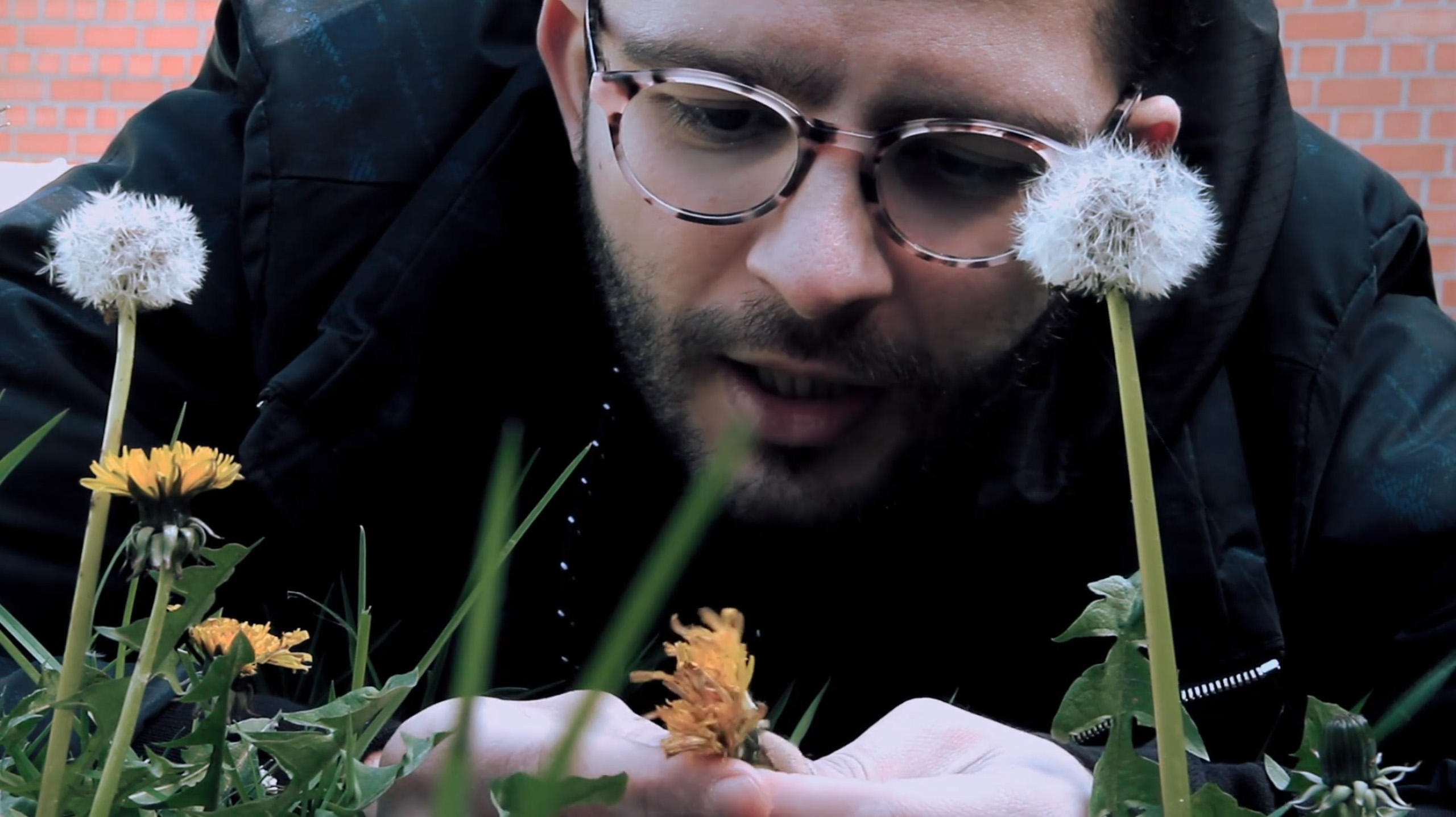
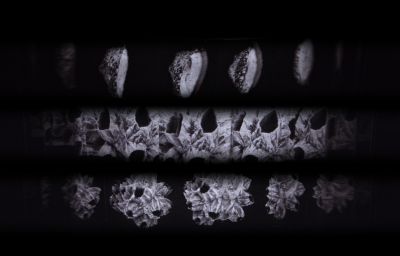
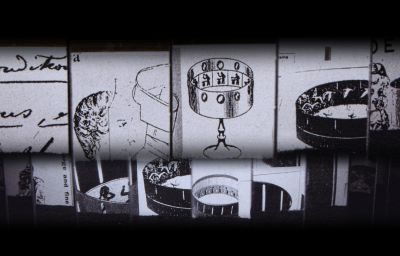
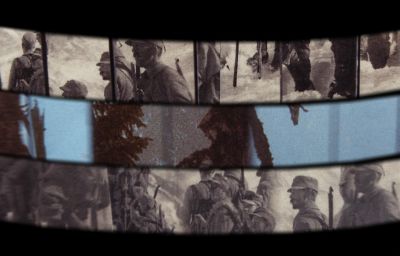
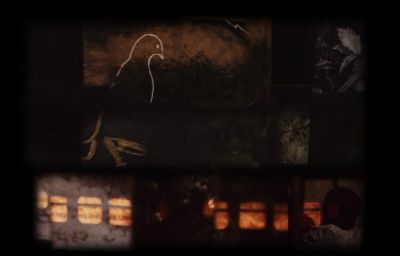 Below are some images from Ship of Fools (2026). As I discovered working on Palimpseste, there are interesting visual possibilities with the praxinoscope beyond simply reproducing looping animations in the traditional sense: by creating an image strip with no regard for persistence of vision, the device effectively creates a moving collage. The offset angle of the mirrors causes the arranged images to blend in to each other. The moving collage also has a certain depth as a result of the curvature of the drums. With the right lighting, the collage appears to emerge from a dark void.
 Reynaud used a biscuit tin for his prototype. I used old Kodak film cans – one large one for the main drum and a smaller one for the central column, which also hides the battery.
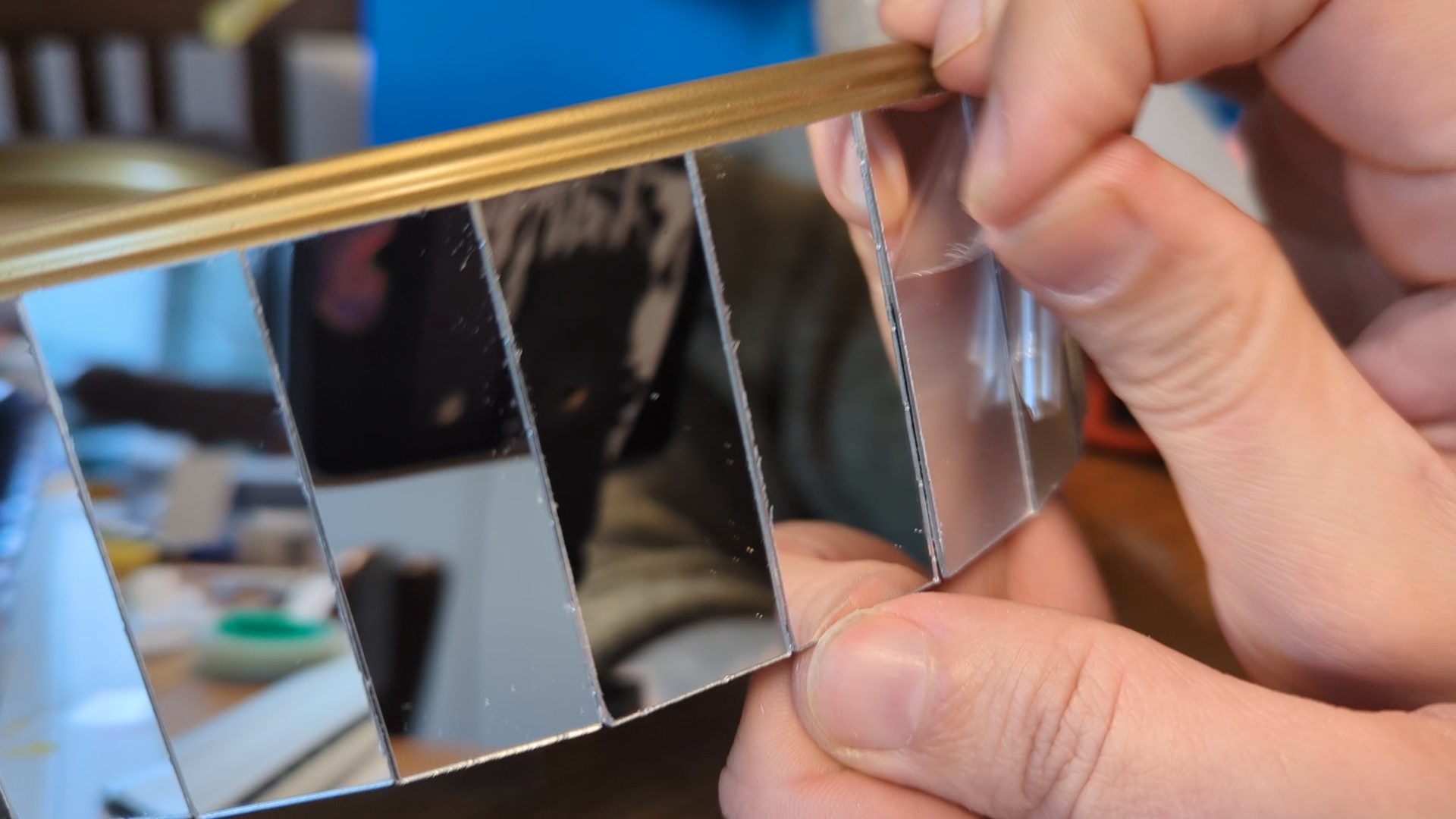 Battery? Yes, my praxinoscope uses a COB LED strip (with diffusion) to offer the possibility of backlighting the animation strip. This is useful for showing the texture of the paper, for revealing anything printed or drawn on the reverse side of the animation strip, and for illuminating film strips. It is somewhat sacrilege – or at least cruelly ironic – to put film in a praxinoscope, since the advent of film was ultimately what led Reynaud's inventions to be seen as obsolete. But for the narrative of my film Ship of Fools – which is very much pro-Reynaud – this was a necessary evil. In Palimpseste sur souvenir the benefit of the light is demonstrated: it allows certain animations to glow warmly, and in other animation strips layers of text or image on the reverse side are revealed. Very apt in the context of a 'palympsest' – a writing parchment that is used and reused over time, accumulating layers of history in the residual marks. You can see this in the stills from Palimpseste below.
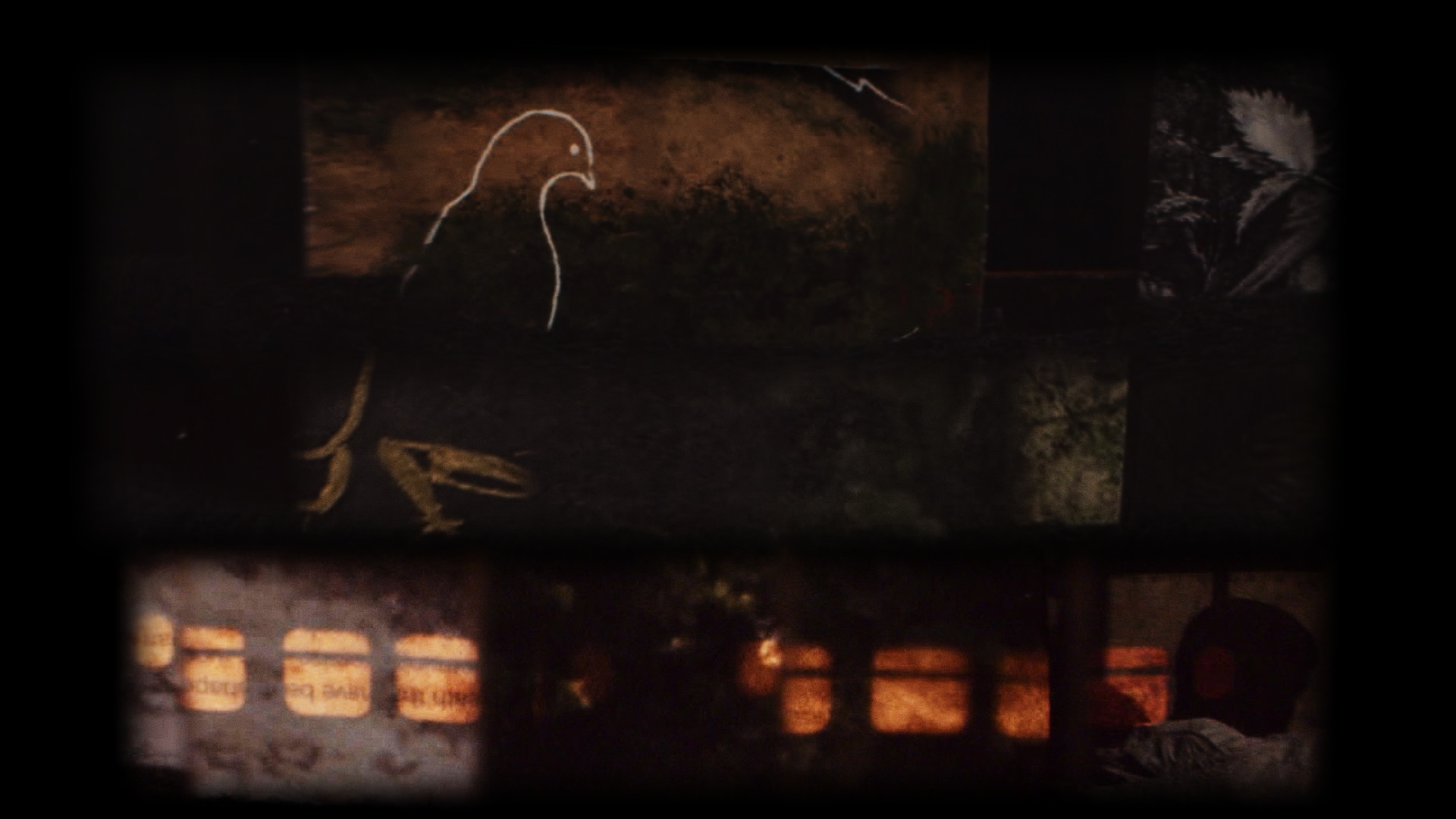 Below are some images from Ship of Fools (2026). As I discovered working on Palimpseste, there are interesting visual possibilities with the praxinoscope beyond simply reproducing looping animations in the traditional sense: by creating an image strip with no regard for persistence of vision, the device effectively creates a moving collage. The offset angle of the mirrors causes the arranged images to blend in to each other. The moving collage also has a certain depth as a result of the curvature of the drums. With the right lighting, the collage appears to emerge from a dark void.